
How to Choose Natural Supplements for Athletic Recovery
Quick Summary
Choose natural supplements for athletic recovery by starting with sleep, protein and fluids, then adding a product only to fill a specific gap. Creatine, protein powder and electrolytes have the strongest case, while herbal blends have limited evidence.
- Sleep, total protein across the day and fluids do most of the heavy lifting in recovery.
- Creatine monohydrate at 3-5 g daily has strong evidence, with effects building over 4-6 weeks.
- Electrolytes are most useful around sessions over an hour or in hot conditions with heavy sweating.
- Look for third-party testing and batch testing marks, and check products against prohibited lists if you compete.
- Change one product at a time and track soreness, sleep and performance for several weeks.
Table of Contents
- Natural Supplements for Athletic Recovery: What the Evidence Shows
- Building Recovery on Sleep, Nutrition and Hydration First
- Best Supplements for Muscle Recovery and Their Evidence
- Electrolytes for Exercise Recovery and Hydration Support
- Choosing, Timing and Testing Your Recovery Supplements Safely
- Frequently Asked Questions
Natural Supplements for Athletic Recovery: What the Evidence Shows
Choosing natural supplements for athletic recovery performance is harder than the shelf labels suggest. Recovery supplements are a crowded category, and people often buy products that promise faster recovery without being able to say why. Recovery supplements are a crowded category, and the evidence behind them varies a great deal.
Here is the honest starting point. Supplements are a small part of recovery. Sleep, total food intake, protein across the day and fluids do most of the heavy lifting. A supplement works best as a targeted add-on once those basics are in place, not as a replacement for them.
Evidence grades and realistic effect sizes
Not all evidence is equal. A product backed by several well-designed trials in trained adults is a different proposition from one supported by a single small study or by testimonials.
Effect sizes matter too. A supplement that improves recovery by a few percent is a very different claim from one that transforms it.
The NHS guidance on food, diet and supplements is a useful reference point for what most healthy adults actually need, and it is a sensible check before adding anything to a routine.
Building Recovery on Sleep, Nutrition and Hydration First
Most recovery problems start with the basics. Poor sleep, low daily protein and under-hydration will blunt the benefit of almost any supplement. If those three are sorted, you have a far better chance of seeing a real difference from anything you add.
A simple order of priorities works well:
- Sleep consistently, aiming for a regular schedule
- Eat enough total protein across the day, not just after training
- Drink enough fluid, and more after heavy sweating
- Add a supplement only if a specific gap remains
Think of supplements as the final layer. If you cannot yet say what your sleep, meals and fluids look like on a typical week, fix that first. It costs less and does more.
Best Supplements for Muscle Recovery and Their Evidence
Several ingredients come up again and again in recovery discussions. Some have a reasonable body of research, others have far less. The table below grades the evidence and gives the studied dose ranges and typical time to effect, so you can judge what a realistic benefit looks like rather than treating every ingredient as equally effective.
| Supplement | Evidence grade | Studied dose range | Time to assess | Best suited to | Main drawback |
|---|---|---|---|---|---|
| Creatine monohydrate | Strong | 3-5 g daily | 4-6 weeks of consistent use | Strength, sprint and power training | Requires daily consistency; causes water retention in some |
| Protein powder | Strong, for meeting daily targets | Enough to reach roughly 1.2-2.0 g protein per kg body weight per day | 2-4 weeks | Anyone short of daily protein | Adds little if diet already meets needs |
| Electrolytes | Moderate, for heavy sweating | Product-dependent; use around sessions over an hour or in heat | Same session to days | Endurance sessions, hot conditions | Mostly unnecessary after short moderate workouts |
| Omega-3 fatty acids | Mixed | Commonly 1-2 g combined EPA and DHA daily | 8-12 weeks | General inflammation and wellbeing questions | Effects on recovery are inconsistent |
| Herbal blends and adaptogens | Limited | Varies widely by product | 4-8 weeks | Those who prefer traditional products | Quality and dosing vary widely |
Protein supplements for exercise recovery
Protein supports muscle repair, and most active people benefit from enough protein across the whole day rather than a single post-training shake. A supplement is simply a convenient way to top up if meals fall short. Look for a clear protein content per serving and a short ingredient list. Whey and plant-based powders both work, so choose the one you digest comfortably and will keep taking.
Watch out: a powder that pushes your daily total well beyond your needs adds calories without extra recovery benefit, so check your food intake before assuming you need one.
Creatine for athletic performance
Creatine monohydrate is one of the most researched sports supplements. It is most useful for people doing strength, sprint or high-intensity work. Its effect builds over time through steady daily intake, so it needs consistent use rather than occasional doses. If you would rather skip mixing, vegetarian capsules provide micronised creatine in a convenient format. If you have kidney problems or take medication, speak to your GP first.
Omega-3 fatty acids and inflammation
Omega-3s from fish oil or algae are popular for general wellbeing, but the recovery evidence is mixed. Some trials suggest reduced soreness after damaging exercise, while others find little difference. Treat them as a general health supplement with a possible modest recovery benefit rather than a reliable performance aid, and give them several weeks before judging.
Herbal supplements and adaptogens
Herbal products such as ashwagandha, rhodiola and tart cherry appear in many recovery products, and the evidence for them is generally limited or inconsistent. If you want to try one, choose a product that states the plant part, extract ratio and dose, and start with a single ingredient so you can tell whether it helps.
Vitamins and minerals relevant to athletes
Most active adults eating a varied diet do not need a general multivitamin for recovery. The exceptions are specific deficiencies, such as low vitamin D in winter or low iron in some menstruating athletes, which should be confirmed by a GP or dietitian before supplementing. Taking extra vitamins without a deficiency is unlikely to speed recovery.
Electrolytes for Exercise Recovery and Hydration Support
Electrolytes matter most when you lose a lot of sweat, such as during long endurance sessions or training in hot weather. Sodium, potassium and magnesium help the body hold on to fluid and keep muscles working properly. For a short, moderate workout, water and a normal meal are usually enough.
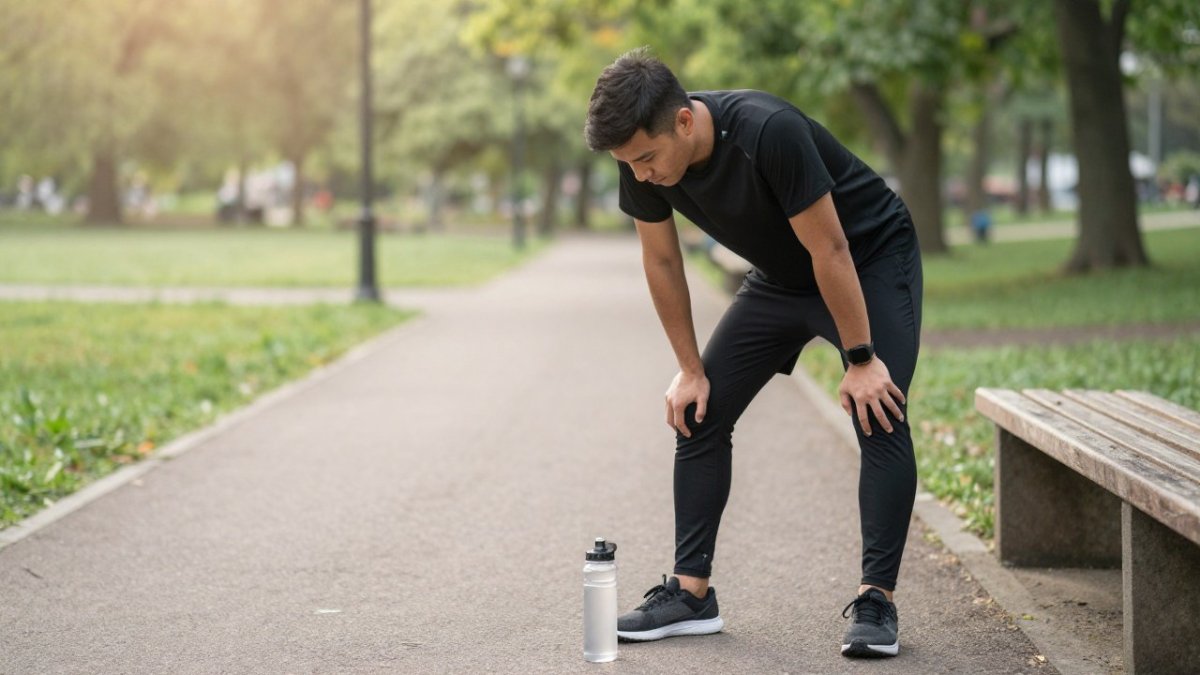
A common mistake is reaching for electrolytes after every session regardless of how much you sweated. Match the product to the situation. If you train hard for over an hour, an electrolyte drink can help. For everyday exercise, it is often unnecessary.
For localised muscle aches after training, some people also use topical products.
Choosing, Timing and Testing Your Recovery Supplements Safely
This is where most supplement advice stops short. A practical protocol covers four things: how to choose a product, when and how long to take it, how to check it is safe and clean, and how to tell whether it is working.
A goal-based way to choose
Start from your training and your diet, not from the shelf. Ask three questions in order:
- What is my main goal, strength and power, endurance, or general recovery between sessions?
- Where might my diet fall short, total protein, energy intake, or fluids after heavy sweating?
- Do I have a specific symptom, such as persistent soreness or low energy, that a supplement might address?
If the answer points to protein, choose a protein powder. If it points to heavy sweating, choose electrolytes. If it points to strength work, consider creatine. If nothing points anywhere, the honest answer is that you may not need a supplement at all.
Timing, dose and duration
Timing matters less than consistency for most ingredients. Creatine works through steady daily intake at 3-5 g, so take it at a time you will remember. Protein is best spread across meals rather than concentrated after training. Electrolytes are used around sessions that cause heavy sweating. Start one product at a time, give it several weeks, and keep a simple note of what you took and when.
Watch out: changing several products at once makes it impossible to tell what helped and what caused a side effect.
Third-party testing and contamination risk
Supplement contamination is a real concern for athletes, because unlisted substances can appear in products that are not independently checked. Look for third-party testing and batch testing marks on the label, and prefer products that name every ingredient and dose clearly. Independent certification reduces, but does not remove, the risk. If you compete under anti-doping rules, check every product against the relevant prohibited list before you buy, and keep a record of batch numbers in case a product is later recalled.
Measuring whether it is working
A supplement is only worth taking if you can see a difference. Track a few simple markers over several weeks: soreness on a simple scale, sleep quality, how sessions feel, and any performance measure you already record. If nothing changes after a fair trial, stop. This individual response check is more useful than any label claim, because the same product can help one person and do nothing for another.
Interactions, contraindications and when to seek advice
Seek clinical advice before taking supplements if you are pregnant, breastfeeding, under 18, managing a long-term condition or taking prescription medicines, because some ingredients interact with medication (Safety assessment of Cannabidiol (CBD) as a novel food for use in food and food…).
If you would like help narrowing down options for your goals, our team in Watford town centre can talk through the choices with you. Explore our natural supplements range to compare what is available and which formats suit your routine.
Heather & Rose Health Shop supports your recovery, energy and strength with natural products chosen for quality, from the organic and vegan range to our herbal and nutritional selection.
Frequently Asked Questions
What natural supplements can support athletic recovery?
Several ingredients have been studied for recovery, including protein, creatine, electrolytes and some vitamins where intake is low. Evidence strength varies: protein and creatine have the most research behind them, while many herbal and botanical products have limited or mixed data. Recovery depends most on sleep, total protein intake, carbohydrates and rehydration, so supplements work best as a complement to those basics rather than a replacement.
Are natural sports supplements safe to take?
Natural does not automatically mean safe. Some herbs interact with medications or cause side effects, and contamination with banned or unlisted substances is a real risk in unregulated products. Look for third-party testing schemes such as Informed Sport or NSF Certified for Sport, check labels for vitamin and mineral doses that exceed Recommended Daily Amounts, and speak to your GP or a pharmacist before starting if you take prescription medication, are pregnant, or have a medical condition.
Do you need supplements if you already eat a balanced diet?
Most people training regularly can meet their needs through food alone if their diet includes enough protein, carbohydrates, fruit and vegetables. Supplements are most useful when intake is hard to reach, such as on a vegan diet where protein and some micronutrients need more planning, or during heavy training blocks. A food diary over a week can show whether a gap exists before you spend money on products.
